Chapter 1: The Silent Revolution in Industrial Water Treatment
Factories, commercial complexes, and high-end manufacturing facilities worldwide face a common challenge: the need for reliable, high-quality water without the logistical burdens of bottled water delivery or chemical additives. A new generation of electrochemical water ionization systems now transforms ordinary municipal water into mineral-rich, alkaline drinking water that meets stringent quality standards—all within milliseconds.
This technological leap represents more than just an equipment upgrade; it's a strategic transformation impacting operational costs and corporate ESG (Environmental, Social, and Governance) metrics. Modern water treatment has evolved into a sophisticated interplay of electrochemistry, materials science, and fluid dynamics—far beyond simple filtration or softening processes.
Chapter 2: The Science Behind Electrochemical Activation (ECA)
At the core of advanced industrial water systems lies Electrochemical Activation (ECA) technology—a precisely controlled microphysical process that redefines water purification.
1. Anodic Electro-Oxidation: Precision Charge Reconstruction
Water enters a specialized membrane electrolysis chamber where high-precision electric fields induce ion migration. This isn't conventional electrolysis—it's a nanosecond-controlled process that purifies while preserving water's molecular structure, effectively removing impurity ions while laying the foundation for subsequent treatment stages.
2. Vortex Reactors: The Catalytic Transformation Chamber
Post-electrolysis, water enters a vortex reaction vessel where turbulent flows maximize contact with electrocatalysts. This stage targets industrial contaminants—phenolic compounds, pesticide residues, and trace organic pollutants—through enhanced oxidative degradation unavailable in conventional systems.
3. Catalytic Purification: Preserving Nature's Balance
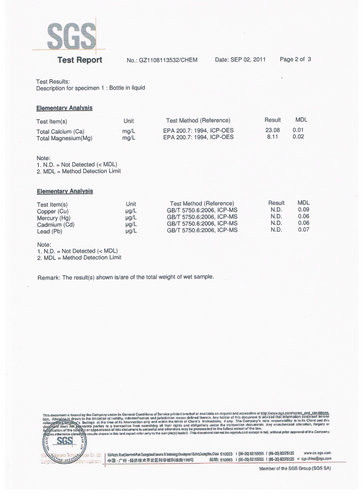
The final catalytic stage demonstrates the system's biological intelligence. Unlike reverse osmosis (RO) that strips water of essential minerals, this process maintains beneficial calcium, magnesium, and potassium while ensuring compliance with strict drinking standards. The result is alkaline ionized water with superior taste—ideal for employee hydration or premium bottled water production.
Chapter 3: Materials Science at Its Finest
The system's durability stems from cutting-edge materials engineered for industrial environments:
Electrodes: Platinum-Grade Performance
The heart of the system features ruthenium, iridium, platinum, and titanium oxide-coated electrodes. This rare metal combination delivers unparalleled catalytic efficiency and corrosion resistance, ensuring tens of thousands of maintenance-free operational hours—even with hard or aggressive water sources.
Membranes: The Molecular Gatekeepers
Ultrafiltration ceramic membranes—composed of zirconium, yttrium, and aluminum oxides—precisely regulate inter-chamber ion transfer. Their engineered microstructure blocks contaminants while preventing uncontrolled water mixing, guaranteeing consistent alkaline ionized water output regardless of input variations.
Chapter 4: Global Compliance and Field Validation
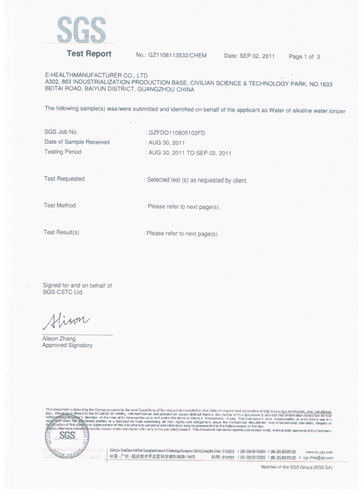
With NSF/ANSI/CAN 61 certification for drinking water system components, these systems meet rigorous international health standards. Real-world deployments span tropical resorts, pharmaceutical plants, and bottling facilities across five continents, demonstrating exceptional adaptability to diverse water conditions and industrial requirements.
Chapter 5: Implementation Through Data-Driven Customization
Recognizing that no two water sources are identical, successful deployment requires comprehensive water analysis. Technical teams assess local water composition, regulatory standards, and operational needs to tailor pretreatment and system parameters—whether for bottled water production, commercial hydration stations, or high-end culinary applications.
Conclusion: Sustainable Transformation Through Advanced Hydrotechnology
Water remains the lifeblood of industry. Adopting electrochemical ionization systems represents more than equipment selection—it's a commitment to sustainable operations. By eliminating chemical additives, reducing maintenance costs, and producing superior-quality water, this technology empowers industries to meet both economic and environmental objectives simultaneously.


 ¡Su mensaje debe tener entre 20 y 3.000 caracteres!